
Menu
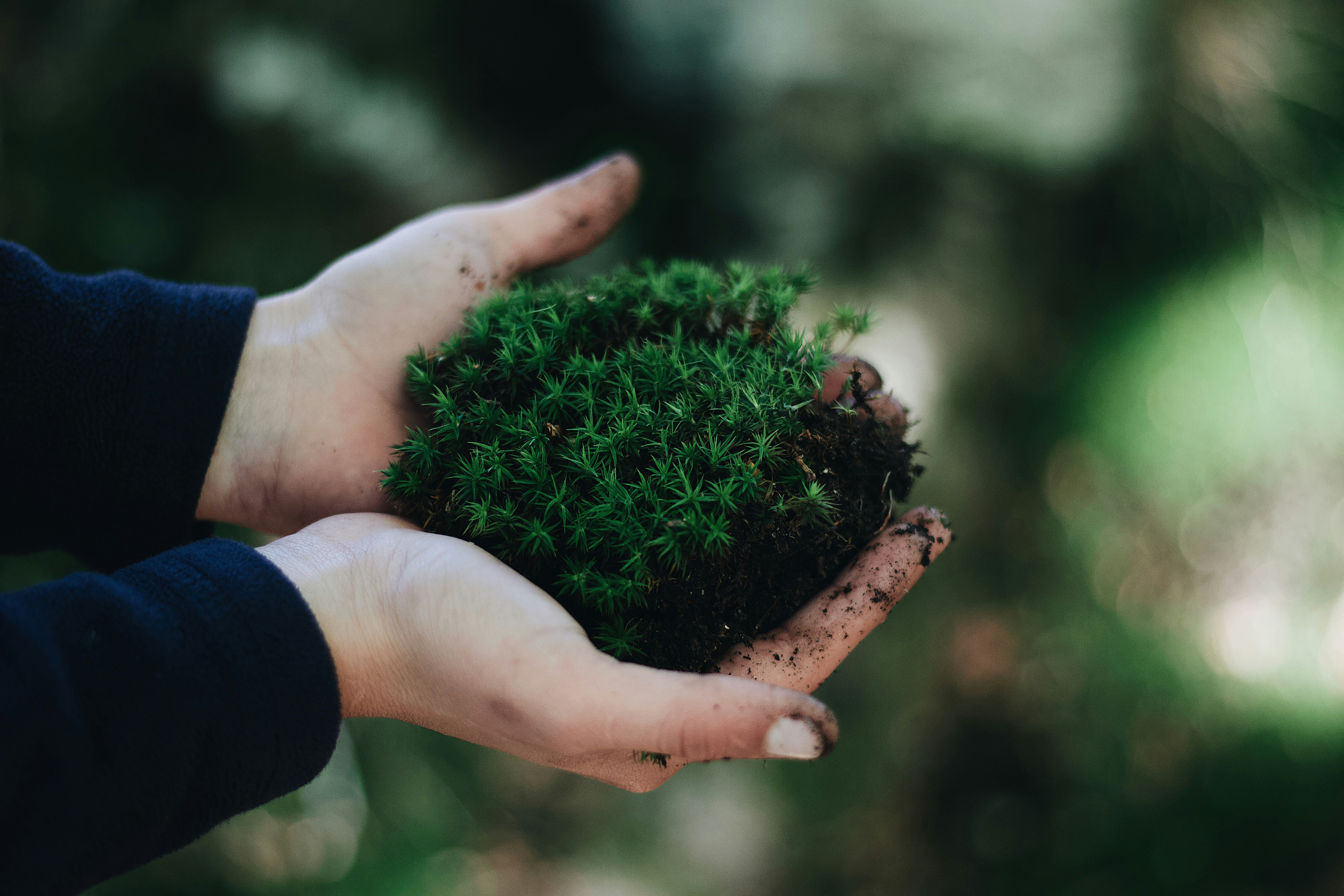
Nature offers the body and mind a unique place to find peace. The multisensory environment stimulates the nervous system’s recovery, strengthens the sense of security, and supports the well-being of both children and adults. Research shows that spending time in nature increases the activity of the vagus nerve and the parasympathetic nervous system, which alleviates stress and supports emotional balance. The connection between human well-being and the vitality of nature also reminds us that our own well-being is intertwined with the well-being of our planet—and small, everyday experiences of nature can strengthen us humans and the planet.
The multisensory nature of the natural world
The senses are essential to well-being: through them, people make sense of their environment and their own bodies and regulate their alertness and behaviour. Children’s sensory systems develop significantly throughout childhood, and they need diverse, physical experiences. Nature is an ideal environment for this, as it activates all eight sensory systems, including touch, movement (vestibular), body awareness (proprioception), sight, hearing, smell, taste and interoception (internal bodily sensations).
In natural environments, children encounter changes in light, wind and sounds, the scents of the earth, the feel of moss and bark, and the physical challenges posed by uneven terrain. These experiences strengthen body awareness, coordination, and sensory processing - often imperceptibly through play and movement. At the same time calm and natural stimuli also support the regulation of nervous system: they can soothe overstimulation or activate under-stimulation, while simultaneously strengthening a sense of inner security in both children and adults.
In addition to direct encounters with nature, similar multisensory experiences can also be supported through guided imagery, natural materials, pictures and soundscapes. Shared moments in nature – or shared moments of calm inspired by nature – can further strengthen a sense of security and help children discover ways to self-regulate. Through these layered sensory experiences, nature supports both immediate well-being and long-term resilience.
Diverse nature experiences enhance overall well-being by supporting sensory processing, regulating arousal levels, and fostering a positive body image, while providing a safe and restorative environment for both children and adults.
Nature has a wide range of health and wellness benefits
Research has shown that natural environments have multifaceted effects on health and well-being, ranging from calming the nervous system to restoring concentration and strengthening the immune system. Nature has also been found to enhance a sense of meaning and inner balance. The continuity and permanence of nature increase a sense of security and help people reconnect with their own values.
A person’s relationship with nature, that is, the experience of connection and belonging to nature, can influence how strongly these benefits are felt. When nature feels meaningful and safe, recovery and relaxation also deepen.
A growing body of research indicates that natural environments can support the functioning of the immune system. Studies conducted in Finland, for example, have found that exposure to diverse natural environments increases the diversity of children’s skin and gut microbiota, which promotes, for example, the development of immune defences and may prevent allergies. Urban natural environments also improve health by reducing environmental exposures, such as air pollutants, and by cooling urban areas.
Young people are particularly concerned about the state of the planet
While nature supports individual well-being, it is increasingly important to consider well-being at a broader, planetary level. Research on planetary health emphasizes that human health is closely intertwined with the state of nature and ecosystems. Environmental changes — such as climate change, biodiversity loss, pollution and land-use change — directly affect both physical and mental health, while the overconsumption of natural resources can widen health disparities between current and future generations.
Planetary well-being can be understood as a dynamic interplay between individual health, social balance, and the vitality of natural systems. Nature not only soothes the body but can also inspire a sense of responsibility and care. It can shift our perspective from consumption towards connection and protection. Through these experiences, people may develop a deeper, embodied understanding of their interdependence with nature and strengthen their eco-social agency.
“I’m doing well, my body is doing well, when the planet is doing well.”
These broader environmental changes are not only ecological but also psychological—especially for young people. Environmental anxiety among young people is one of the most visible examples of the psychological consequences of these changes. In an international study, a large proportion of young people reported concerns related to climate change that also affected their ability to function in daily life. This phenomenon has been described as a global psychological burden, in which feelings of loss and uncertainty arise from the deterioration of the natural world.
This experience can also be understood as a form of planetary trauma: a shared process in which environmental damage is reflected in people’s inner worlds. However, strengthening experiences of safety and connection can support more constructive engagement. When individuals feel secure, they are more likely to act collectively, experience belonging, and see themselves as part of a larger ecological whole. A body that is attuned and regulated in relation to nature can also foster empathy, social connectedness, and responsible action.
This highlights a continuum—from individual sensory experiences to collective responsibility for planetary well-being.
Well-being for all – in harmony with nature
Human health and the vitality of nature are closely intertwined. Healthy ecosystems provide the essentials for life, clean air, water, food, shelter, and restorative environments.
Strengthening well-being in a sustainable way requires everyday practices that support both people and the environment. For children’s holistic development, nature offers a unique environment where multisensory experiences promote health and well-being. From the children’s perspective, exposure to nature can be promoted by diversifying daycare environments, for example, using wooded areas or garden boxes, or by spending more time as a family in nature, exploring and experiencing it with all the senses.
Above all, young people’s well-being is supported by low-threshold nature experiences, a safe space for emotions, and opportunities to make a difference together with others. Nature offers young people a sense of calm, continuity, and hope, which can also help them cope with eco-anxiety. Joint nature projects and small acts of influence strengthen agency and demonstrate that the future can be built even amid uncertainty. When young people are given a voice and experience the revitalizing effects of nature, their resources and resilience grow.
Nature supports us, and our actions have the power to support nature. Small, everyday connections with nature enhance our well-being today and build hope for tomorrow.
Resources:
Arokki, H., Katajisto-Korhonen, I., Mouhu, E., & Lipponen, N. (2024). Luonnon mahdollisuudet sensorisen integraation terapiassa. Kuntoutus, 47(2), 46–51. https://doi.org/10.37451/kuntoutus.146321
Jecmen, D., & LoTemplio, S. (2024). Improvements in depressive symptoms in nature may be partly caused by improvements in vagal tone: A review and theoretical perspective. Ecopsychology, 16(1). https://doi.org/10.1089/eco.2023.0007
Järekari, J., Fagerholm, N., Eilola, S & Arki, V. (2025). facilitates eudaimonic well-being through promoting connection with self and others. People and Nature, 7, 2194–2211.
LoTemplio, S., Bettmann, J. E., Scott, E., & Blumenthal, E. (2023). Do mental health changes in nature co‑occur with changes in heartrate variability and executive functioning? A systematic review. Current Environmental Health Reports, 10, 278–290. https://doi.org/10.1007/s40572-023-00407-6 Open access PDF: https://link.springer.com/content/pdf/10.1007/s40572-023-00407-6.pdf
Roslund, M.I., Puhakka, R., Grönroos, M., Nurminen, N., Oikarinen, S., Gazali, A. M., Cinek, O., Kramnã, L., Siter, N., Vari, H., Soininen, L., Parajuli, A., Rajaniemi, J., Kinnunen, T., Laitinen, O. H., Hyöty, H. & Sinkkonen, A. (2020). Biodiversity intervention enhances immune regulation and health-associated commensal microbiota among daycare children. Science Advances, 6, 42, DOI:10.1126/sciadv.aba2578
Tyrväinen, L., Halonen, J.I., Pasanen, T., Ojala, A., Täubel, M., Kivelä, S., Leskelä, A.-R., Pennanen, P., Manninen, J., Sinkkonen, A., Haahtela, T., Haveri, H., Grotenfelt-Enegren, M., Lankia, T. & Neuvonen, M. (2024). Luontoympäristön terveysvaikutukset ja niiden taloudellinen merkitys. Luonnonvara- ja biotalouden tutkimus 76/2024. Luonnonvarakeskus. Helsinki. 89 s
Image 1 (main image): Unsplash
Image 2: Unspalsh
--
Author: Irina Korhonen, Turku UAS
Publication Date: 14.08.2026


DISCLAIMER:
Co-funded by the European Union. Views and opinions expressed are however those of the author(s) only and do not necessarily reflect those of the European Union or Fundacja Rozwoju Systemu Edukacji (FRSE). Neither the European Union nor FRSE can be held responsible for them.
We love to hear from you
For information about data privacy, please check the privacy policy.