
Menu

Lithuania is experiencing a steadily growing interest in therapeutic fasting as more people search for natural and scientifically supported ways to improve their health, restore energy levels, and enhance overall quality of life. Alongside the increasing global awareness of preventive health practices, therapeutic fasting has become one of the wellness approaches attracting attention from both medical professionals and individuals seeking long-term lifestyle changes. One of the centres in Lithuania offering therapeutic fasting and wellness programs is Naujyste.lt.
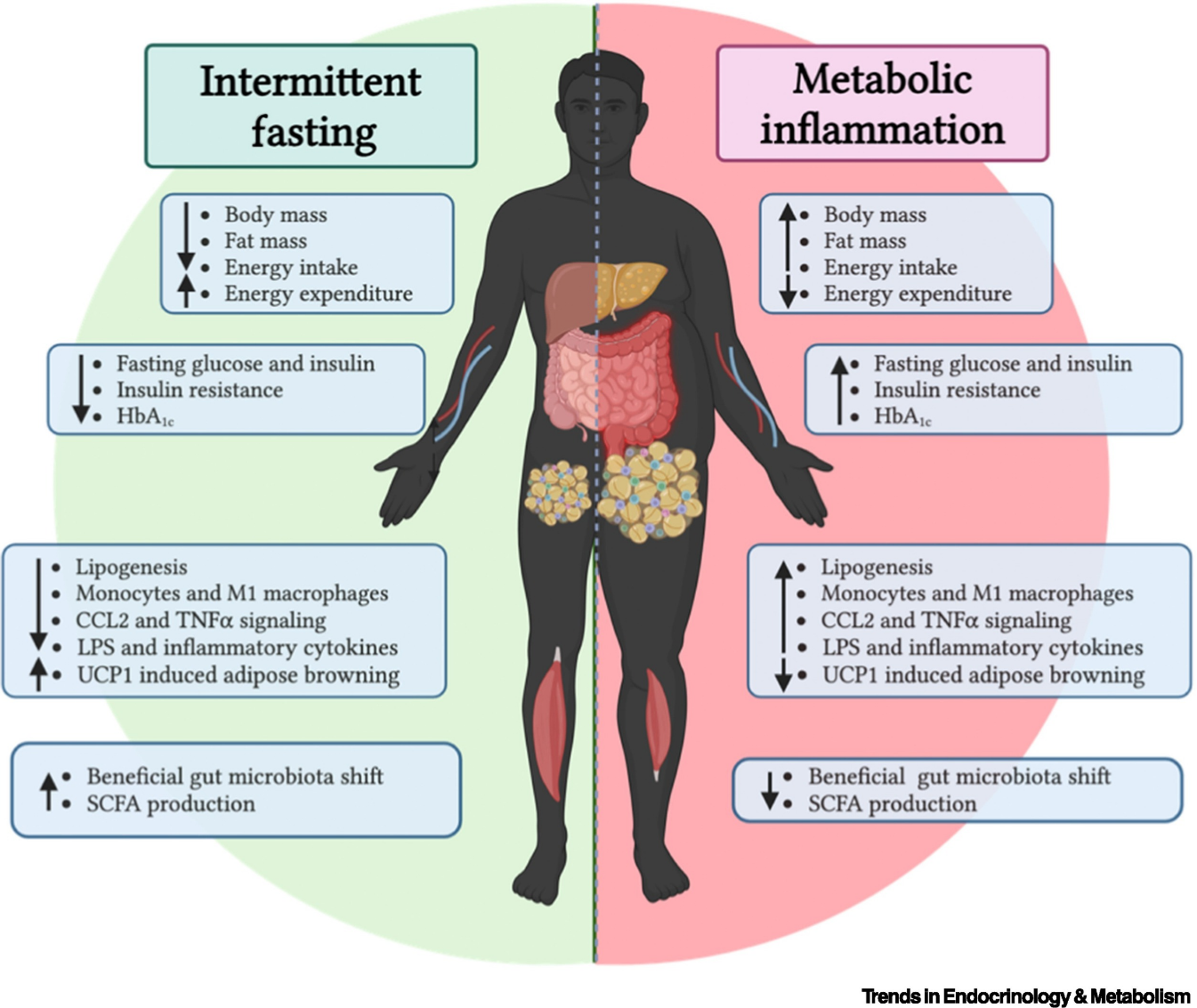
Therapeutic fasting is a structured and supervised method that allows the body to temporarily rest from continuous digestion and redirect energy toward repair, regeneration, and metabolic balance. During fasting, several important biological processes become activated, including autophagy — a natural cellular renewal mechanism associated with healthier ageing and improved cellular function. Scientific studies suggest that fasting may support weight management, improve metabolic flexibility, increase insulin sensitivity, regulate glucose and lipid metabolism, and reduce chronic low-grade inflammation that is often linked to modern lifestyle diseases [1,2,3].
In recent years, fasting has gained attention not only for its physical benefits but also for its potential positive effects on mental and emotional well-being. Many participants describe experiencing improved clarity of mind, deeper and more restorative sleep, better concentration, emotional calmness, and a reduced dependence on processed or unhealthy foods after completing fasting programs. Clinical research on five-day fasting interventions has demonstrated measurable improvements in psychological well-being, emotional balance, stress reduction, and mood regulation when fasting is conducted in a safe and supervised environment [4].
Beyond the physiological effects, therapeutic fasting also creates a valuable opportunity to slow down from the fast pace of everyday life. Many people use fasting retreats as a time for reflection, rest, and reconnection with their body and habits. Without constant external stimulation and unhealthy eating patterns, participants often become more aware of their relationship with food, stress, sleep, and physical activity. This process can encourage long-term behavioural changes and inspire healthier daily routines that continue even after the fasting program ends.
The programs at Naujyste.lt are conducted under professional medical supervision to ensure participant safety and individual care throughout the fasting period. Before and during the program, participants undergo health assessments and blood tests, while important health indicators such as blood pressure, heart activity, hydration, and overall physical condition are carefully monitored. This medical oversight allows fasting to be adapted to individual needs and helps participants feel safe and supported during the process.
In addition to supervised fasting, the programs include educational lectures and practical guidance on nutrition, healthy eating habits, physical activity, stress management, and sustainable lifestyle improvements. Gentle movement, breathing exercises, nature walks, rest, and mindfulness practices are often integrated into the experience to support both physical and emotional recovery. The combination of professional care, education, relaxation, and holistic wellness makes these programs much more than a short-term weight-loss solution. For many participants, therapeutic fasting becomes the beginning of a more conscious, balanced, and sustainable approach to health and everyday living.
As interest in integrative and preventive healthcare continues to grow worldwide, therapeutic fasting is increasingly being viewed not simply as a temporary wellness trend, but as a scientifically explored method that may contribute to long-term metabolic health, resilience, and improved quality of life when practised responsibly and under professional supervision.
--
References
Image Sources:
1. Pexels Free Stock Images
2. Marko DM, Conn MO, Schertzer JD. Intermittent fasting influences immunity and metabolism. Trends Endocrinol Metab. 2024 Sep;35(9):821-833. doi: 10.1016/j.tem.2024.04.014. Epub 2024 May 8. PMID: 38719726. https://pubmed.ncbi.nlm.nih.gov/38719726/
--
Author: Voldemaras Giedrimas - Medical Doctor, Master of Biomedical Sciences, Lecturer
Publication Date: 29.05.2026


DISCLAIMER:
Co-funded by the European Union. Views and opinions expressed are however those of the author(s) only and do not necessarily reflect those of the European Union or Fundacja Rozwoju Systemu Edukacji (FRSE). Neither the European Union nor FRSE can be held responsible for them.
We love to hear from you
For information about data privacy, please check the privacy policy.