
Menu
.avif)
As the SWEPPP project comes to a close, this final blog post reflects on the project's main achievements and the insights gained along the way. It emphasizes the importance of integrating personal, professional, and planetary well-being and encourages readers to carry these ideas forward into their own lives and work.
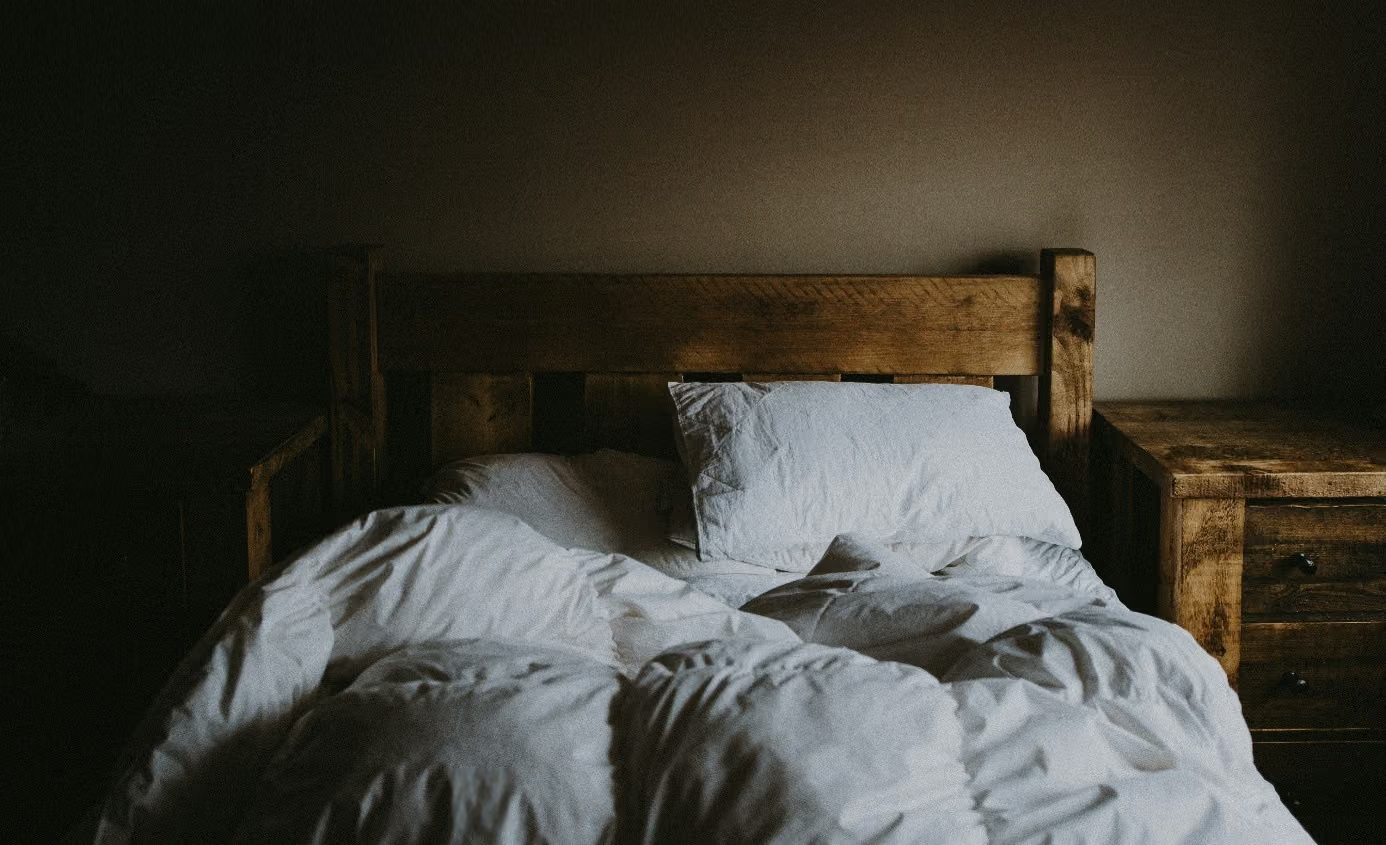
This blog explores the growing phenomenon of revenge bedtime procrastination (RBP) - the intentional delay of going to bed despite knowing it will reduce sleep and have negative consequences. It explains why many people sacrifice sleep to reclaim personal time after stressful or demanding days and highlights the widespread problem of chronic sleep deprivation, which affects health, wellbeing, productivity, and long-term development.
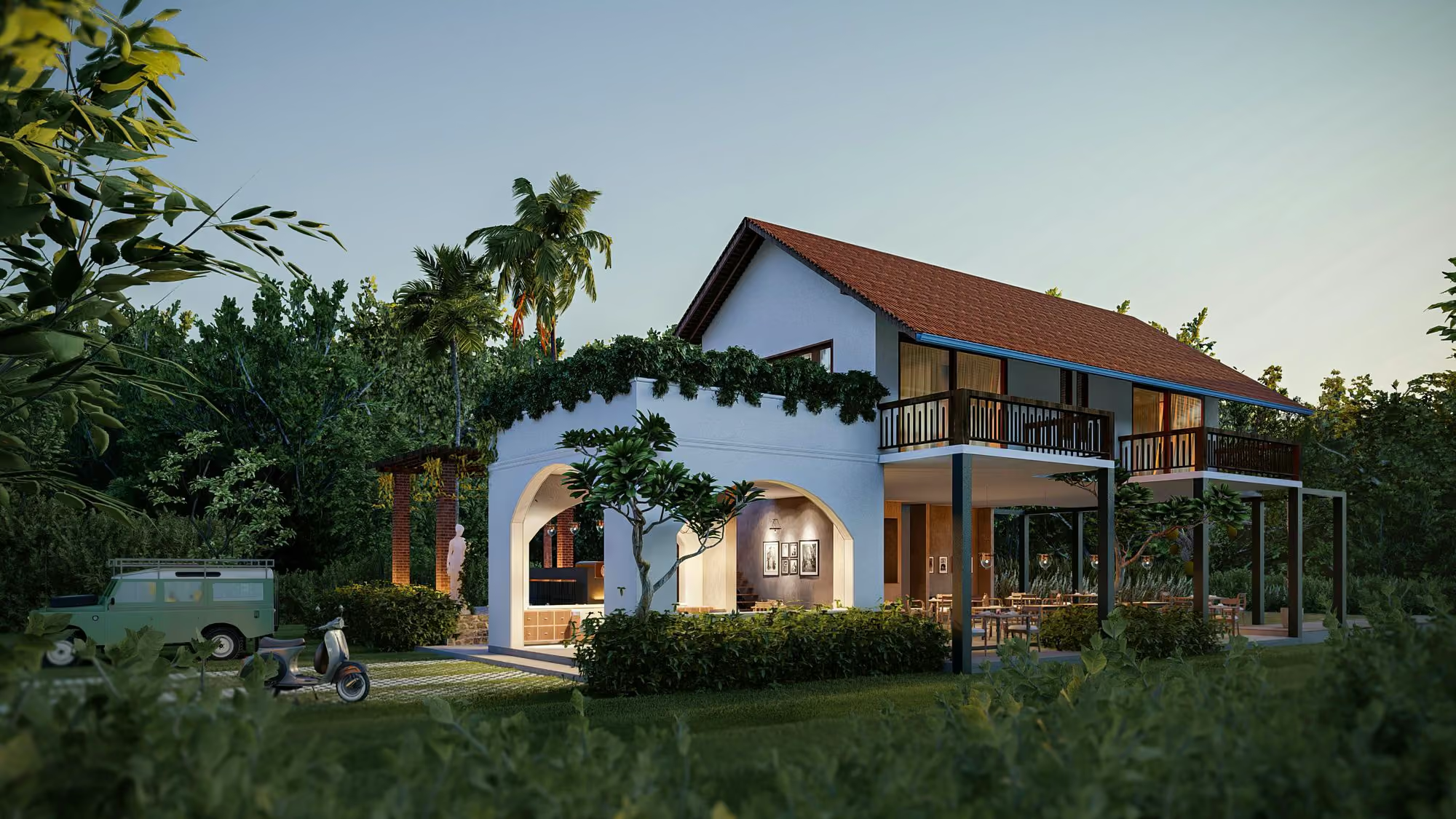
This blog explores how our homes influence well-being, arguing that housing should be evaluated not only by price, size, or location but also by how it supports health and quality of life. It introduces HABIscore, a residential well-being assessment tool developed by architect Tomasz Bogusz, which measures homes across six dimensions, including daylight, acoustics, ergonomics, access to nature, and neighbourhood quality.
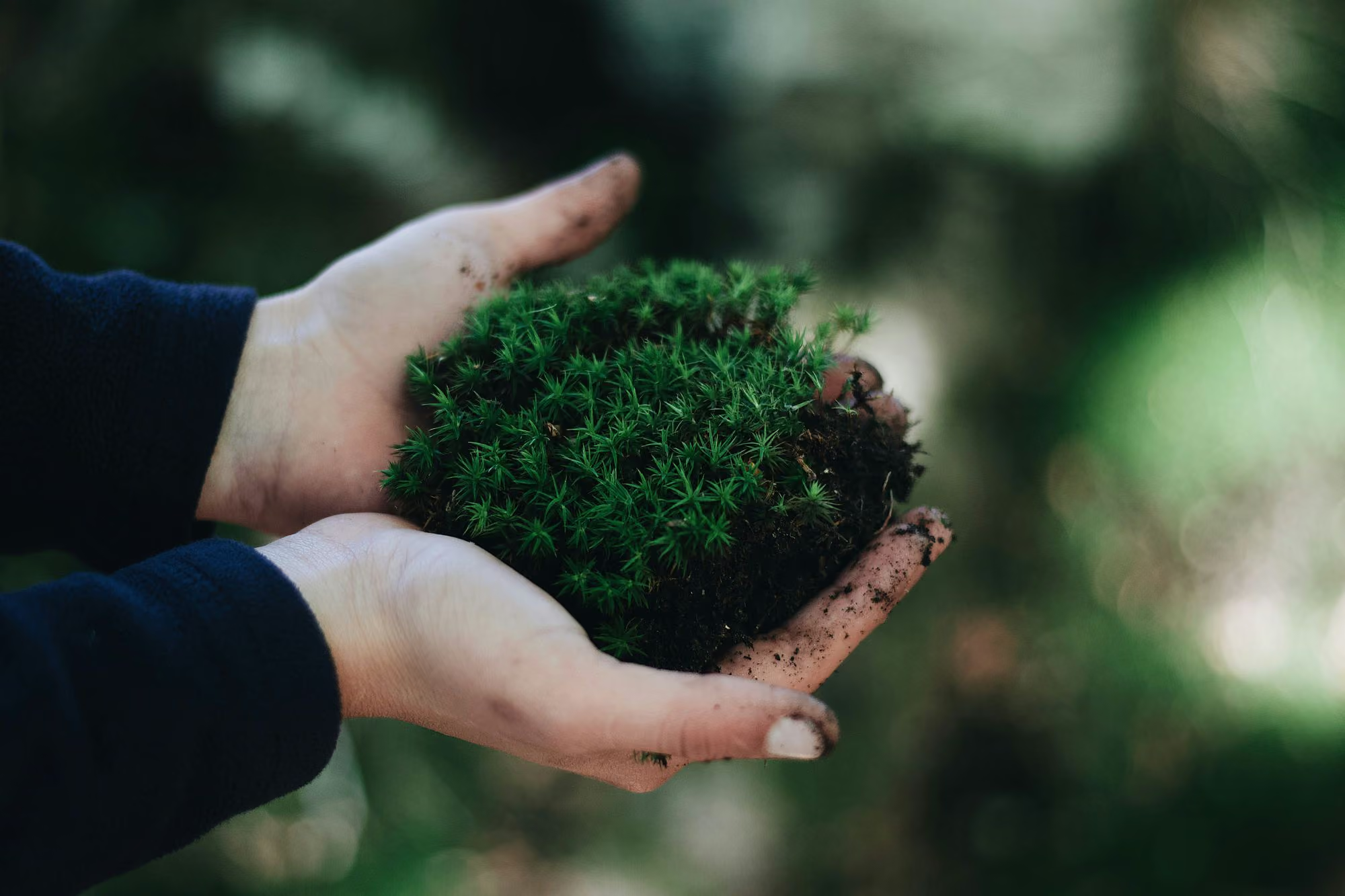
Well-being begins with connection to nature. Nature engages all our senses, supports nervous system recovery, strengthens feelings of safety, and promotes resilience. In this blog, we explore small, everyday moments in nature that can nurture both human well-being and the well-being of our planet.
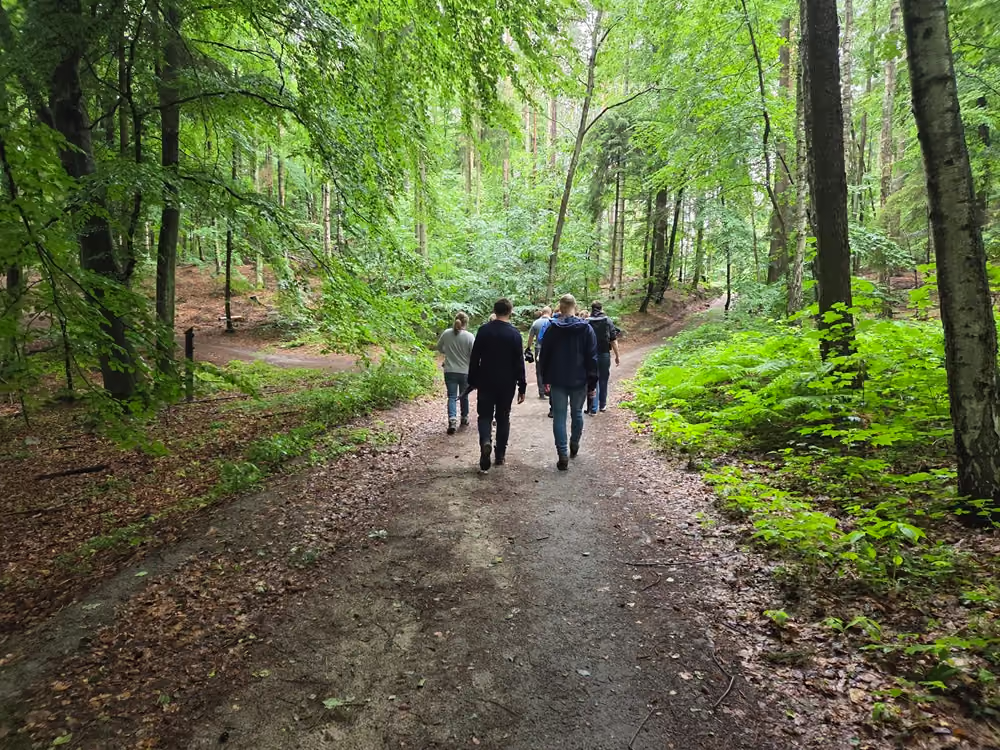
Can a simple walk change the way we work, connect and think? In this blog post, we explore WalkieTalkieClub – an initiative that takes networking out of conference rooms and into nature. Drawing on an interview with its founder, Marcin Wesołowski, the article shows how walking conversations can support personal and professional well-being while reminding us that reconnecting with nature can also become part of a more sustainable way of working.
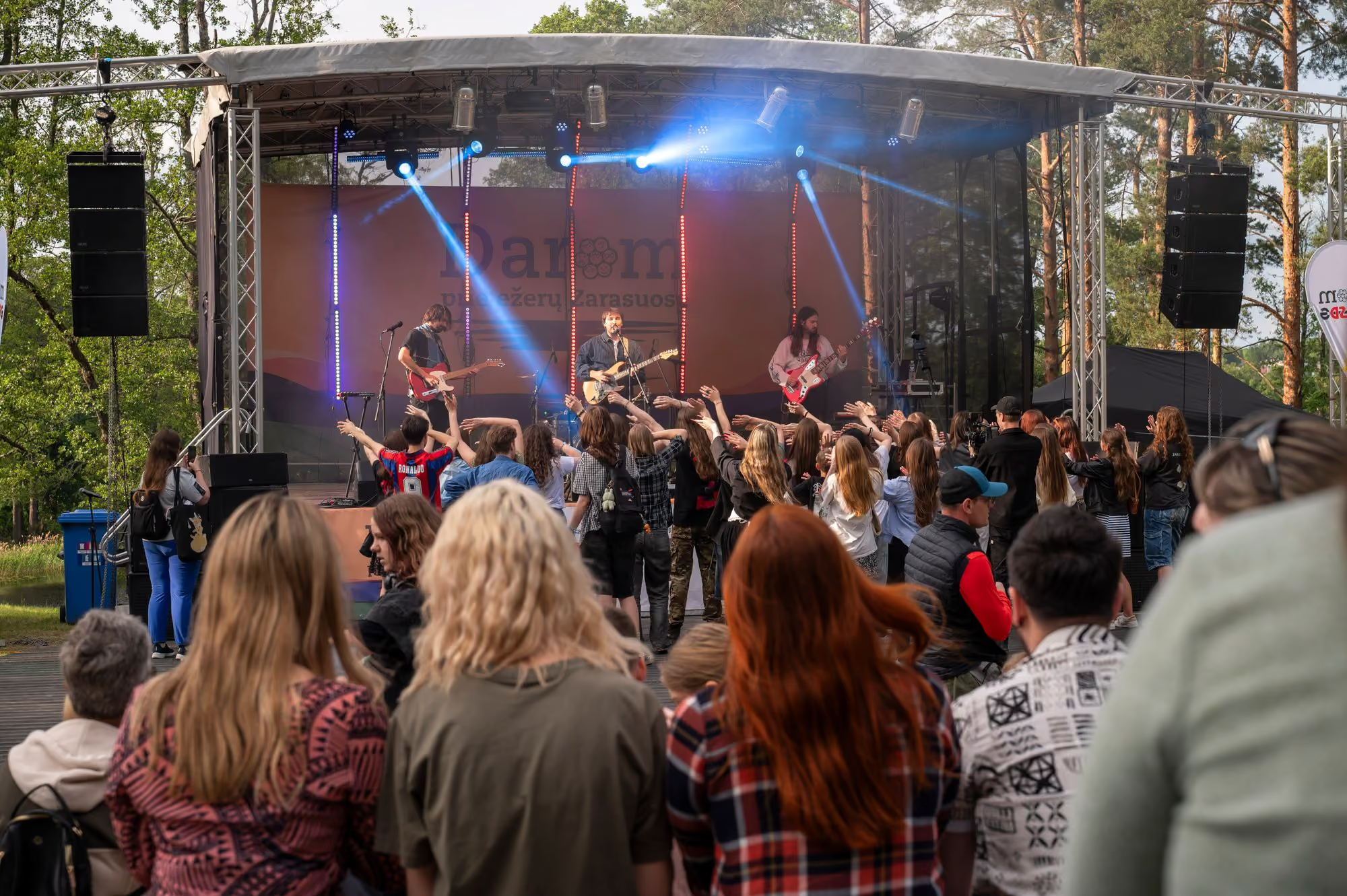
Can a festival be more than a celebration? In this blog post, Edvardas Baltuška reflects on how public events and environmental festivals can become spaces for learning, community-building and sustainable habit formation. Drawing from practical experience in organising environmental initiatives in Lithuania, the article explores how sustainability works best when people can experience it directly — through action, nature, shared responsibility and small everyday choices.
In this blog entry, we explore why creativity and engagement with the arts matter for sustainable well-being in the age of AI. Drawing on emerging research in NeuroArts and the growing evidence on the links between art, health, and well-being, we reflect on how creative engagement can nurture the uniquely human capacities - such as creativity, empathy, reflection, and resilience - that are essential for personal flourishing and for building more sustainable societies.


DISCLAIMER:
Co-funded by the European Union. Views and opinions expressed are however those of the author(s) only and do not necessarily reflect those of the European Union or Fundacja Rozwoju Systemu Edukacji (FRSE). Neither the European Union nor FRSE can be held responsible for them.
We love to hear from you
For information about data privacy, please check the privacy policy.